Part photos to 3D models with vision AI
Most parts people want coated are in no catalog. Iron Rainbow's camera button works out what a part is, whether it can be coated, and often makes a 3D model.
The part nobody had in the catalog
Iron Rainbow’s 3D Customizer is lovely when your part is in it. The trouble is what people own. Motorcycle swingarms, garden chairs, gates, intake manifolds and several thousand different wheels. No catalog will ever hold all of that.
Wheels are the heart of Iron Rainbow’s business, and they add a second problem. Before a shop can give a price that means anything, it needs the exact wheel, its size and the damage that has to be repaired before coating. Until now, a customer’s photo went to a shop, someone squinted at it and wrote a quote by hand. Or the customer was told to bring the wheel in, and a lot of them never did.
Iron Rainbow asked for one camera button that would do the lot. The customer takes a picture, and the platform works out what the part is and what it’s made of, whether it can be coated, what’s wrong with it and what it looks like in 3D. Then they color their own part and get a price.
A 3D model from one photo
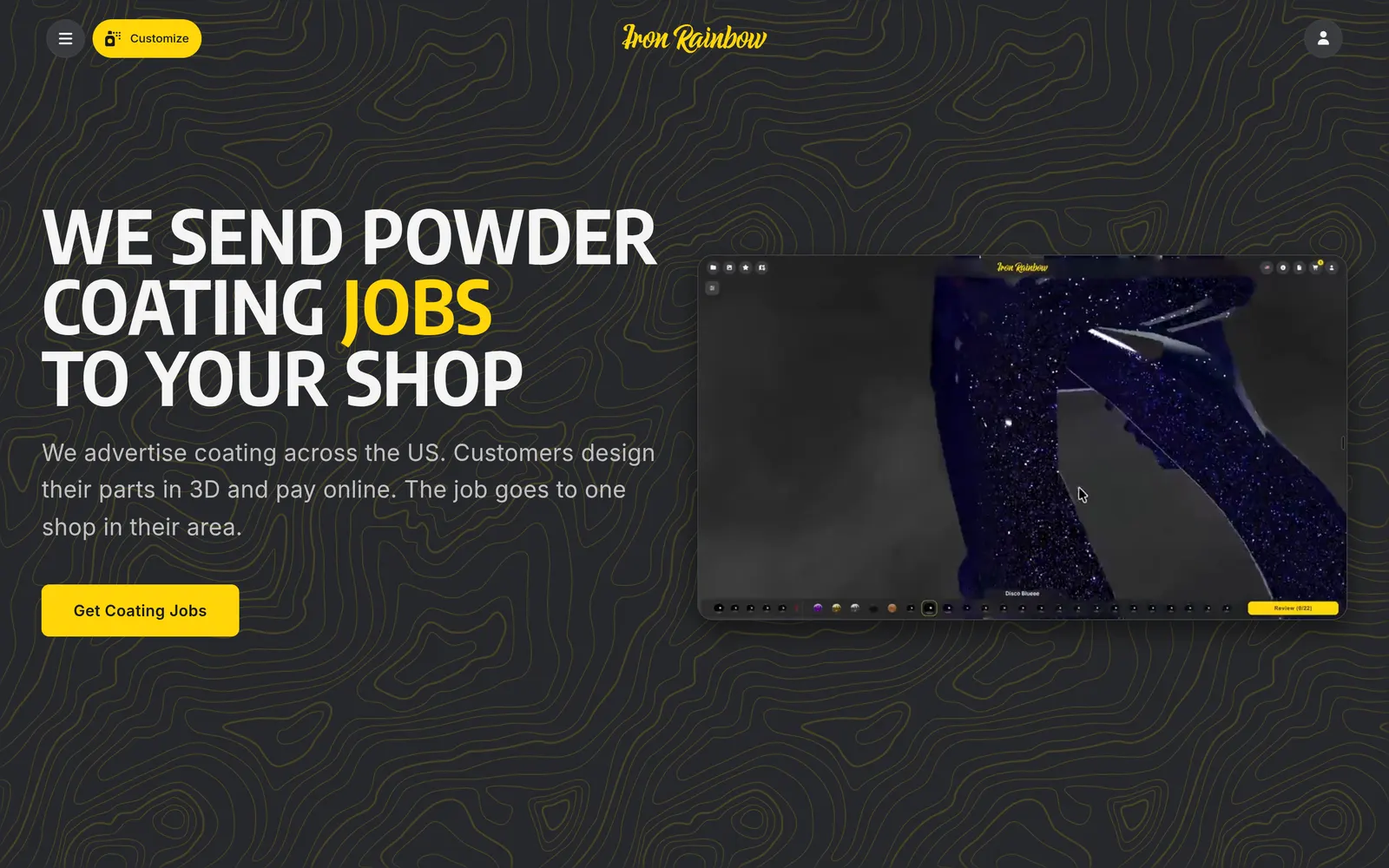
We proved the 3D step first, by hand. A mountain-bike frame went from photos to a cleaned-up 3D model and into the Customizer, where it rendered in powder finishes like any catalog part. Once that looked right, we automated it.
Now, when a customer uploads a photo, the platform identifies the item and compares it with products it can find, then adds what an experienced coater would want to know: the maker and part number where it can find them, the material, and advice on preparing it. If the customer adds close-ups, it uses them to look at welds, old paint and how deep the rust goes. It cuts the part out of the background, checks that the cut-out is clean, and generates a 3D model light enough to spin on a phone.
Each step has a backup, so if one AI service is having a bad day the job still goes through. Every upload leaves a trace that Iron Rainbow’s staff can open in their admin, showing what each step decided and how long it took. When a result looks odd, they can see why in a minute.
Teaching it to read a wheel
Wheels got their own line of work, which we called RimCheck. It began as a small labelling app and a first set of pictures. In August and September 2026 we moved to photos of wheels still on cars, taken the way customers take them.
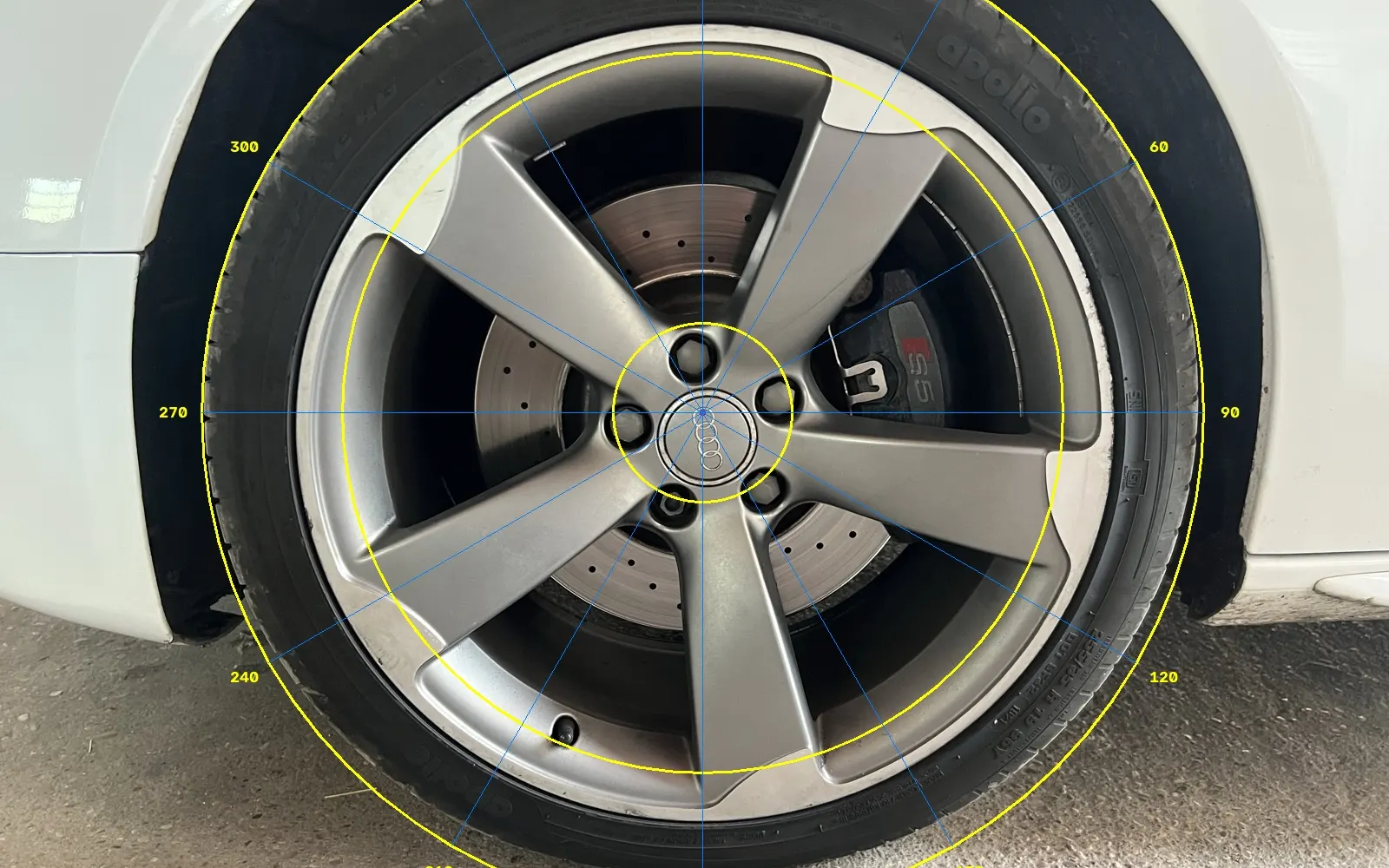
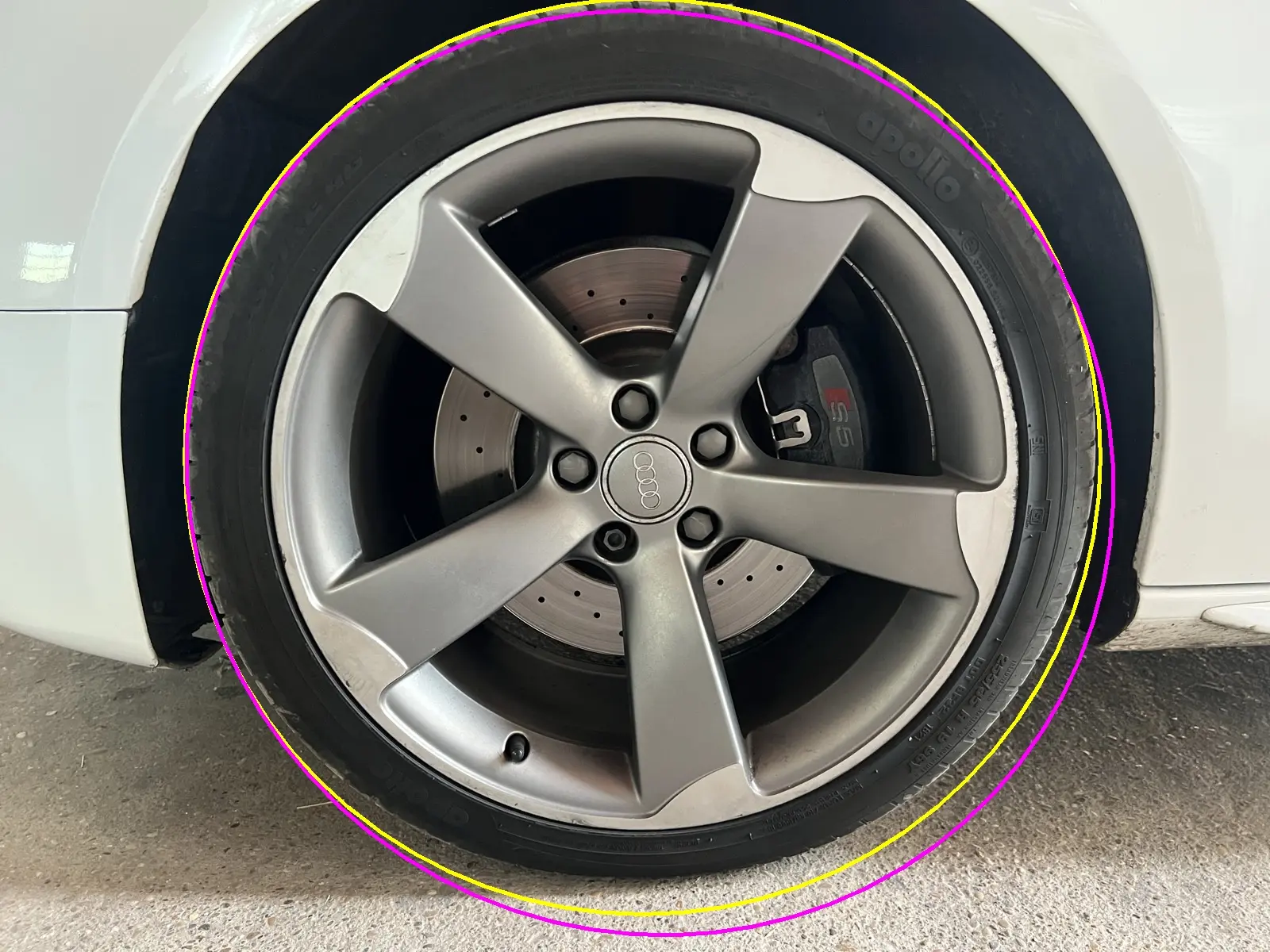
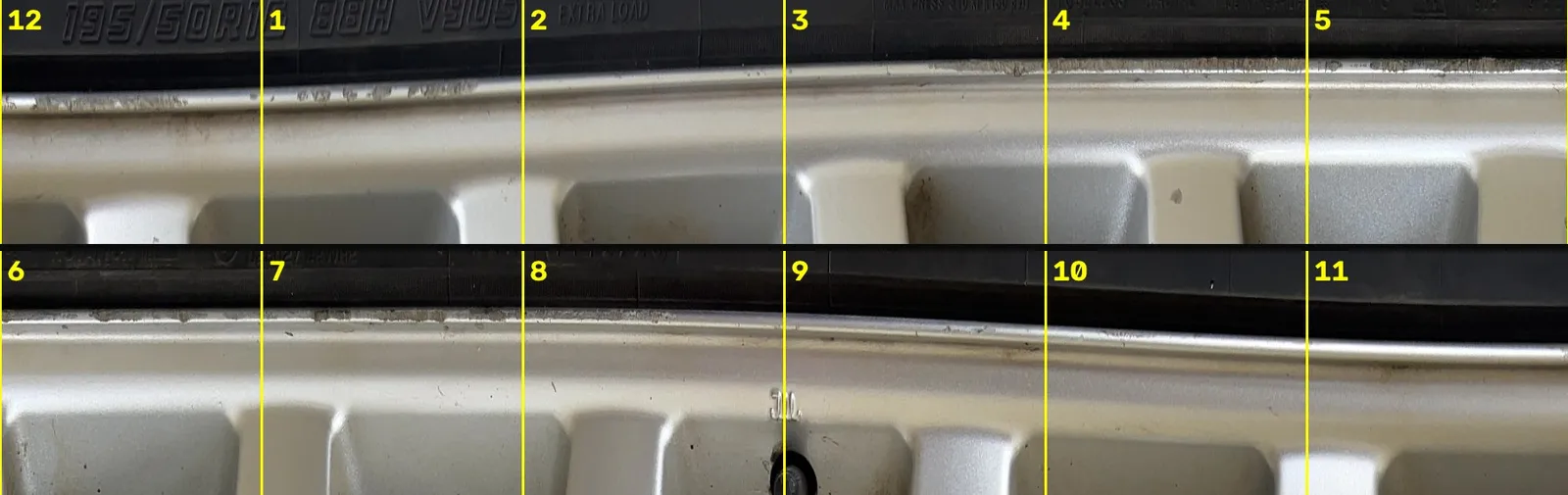
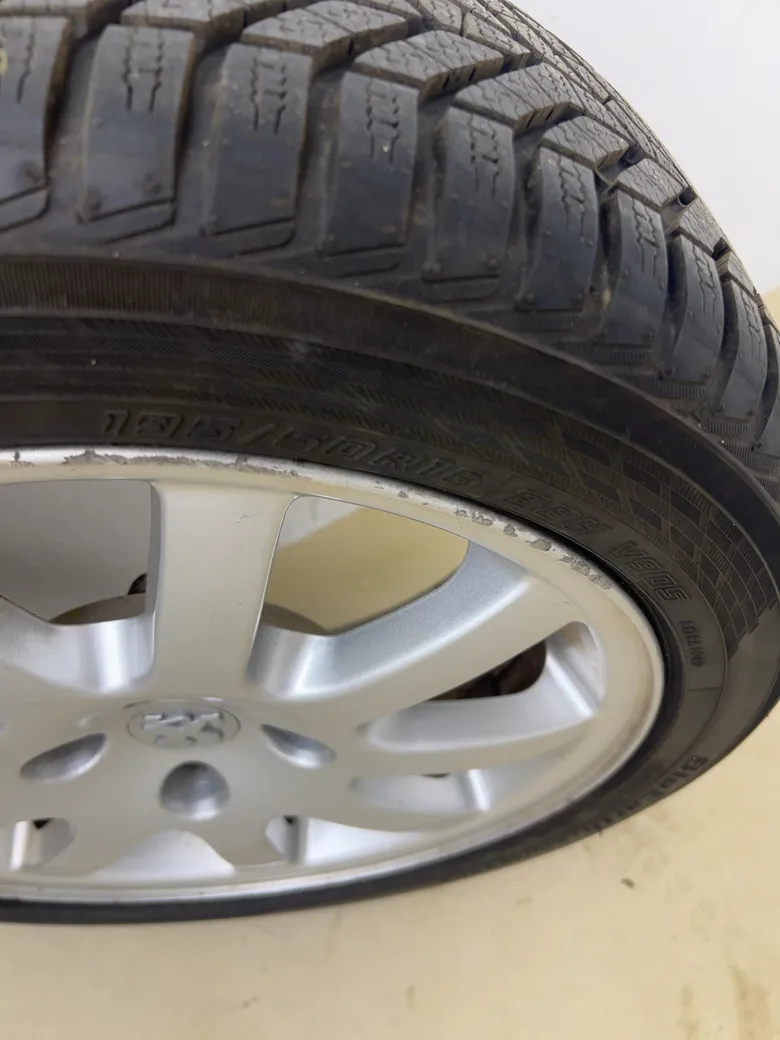
From one photo, it now finds the tyre and the rim, judges the camera angle, and maps any damage around the rim like the face of a clock. It records the kinds of damage a coater worries about: bent lips, curb rash, cracks, corrosion, diamond-cut faces, and whether the wheel is one, two or three pieces. It tries to read the tyre size printed on the sidewall, and a small trick in how it searches for matching products brought back far more matches for the same wheel, some with the original part numbers.
On the phone, a live camera guide shows whether the wheel is centered, level and close enough. When everything turns green, the shutter fires by itself.
Deciding what the AI is allowed to decide
The biggest decisions were about trust. We tested the wheel reading over and over on the same photos before letting it touch a price. It was steady at naming the type of damage and how deep it went. Its words for how bad the damage looked were not steady. So the price depends only on what it reads reliably. Damage is sorted into the kinds of work a shop charges for, from cosmetic touch-ups to straightening and welding, and spread-out damage counts for more than a single deep gouge.
We also decided the software never turns a customer away. A wheel it isn’t sure about becomes a request for a person to review. The design notes put it this way: “a rejection tells a customer their wheel cannot be saved, and they take it to someone who will.”
The work was planned in writing, with a readiness list for every stage, and we wrote down what failed as carefully as what worked. Pictures that a machine had labelled were marked as unusable for measuring accuracy, because no person had checked them. A step that cut wheels into separate zones was built, tested and put on the shelf when it didn’t help customers enough. Where we compared a hosted service with one running on our own machines, we tested both on the same photos first.
The camera button today
In the Customizer, a customer with an unusual part can upload a photo. The platform tells them what it thinks the part is, fills in the product details, checks it can be coated and, where it can, hands them a 3D model to color and price. The wheel work is further back. It reads damage type consistently on repeat runs, finds far more matches for a wheel from a photo, reads tyre sizes without an internet connection, and its camera guide passed a test on a phone. Those results come from small sets of photos. Nobody has measured its accuracy against a large set of wheels checked by people, and until someone does, borderline wheels go to a person.
Screens
Keep reading