AI content engine for seven platforms
Iron Rainbow needed product videos and posts on seven platforms without a marketing team. AI agents prepare the work each week and a person approves it.
Nobody had heard of them yet
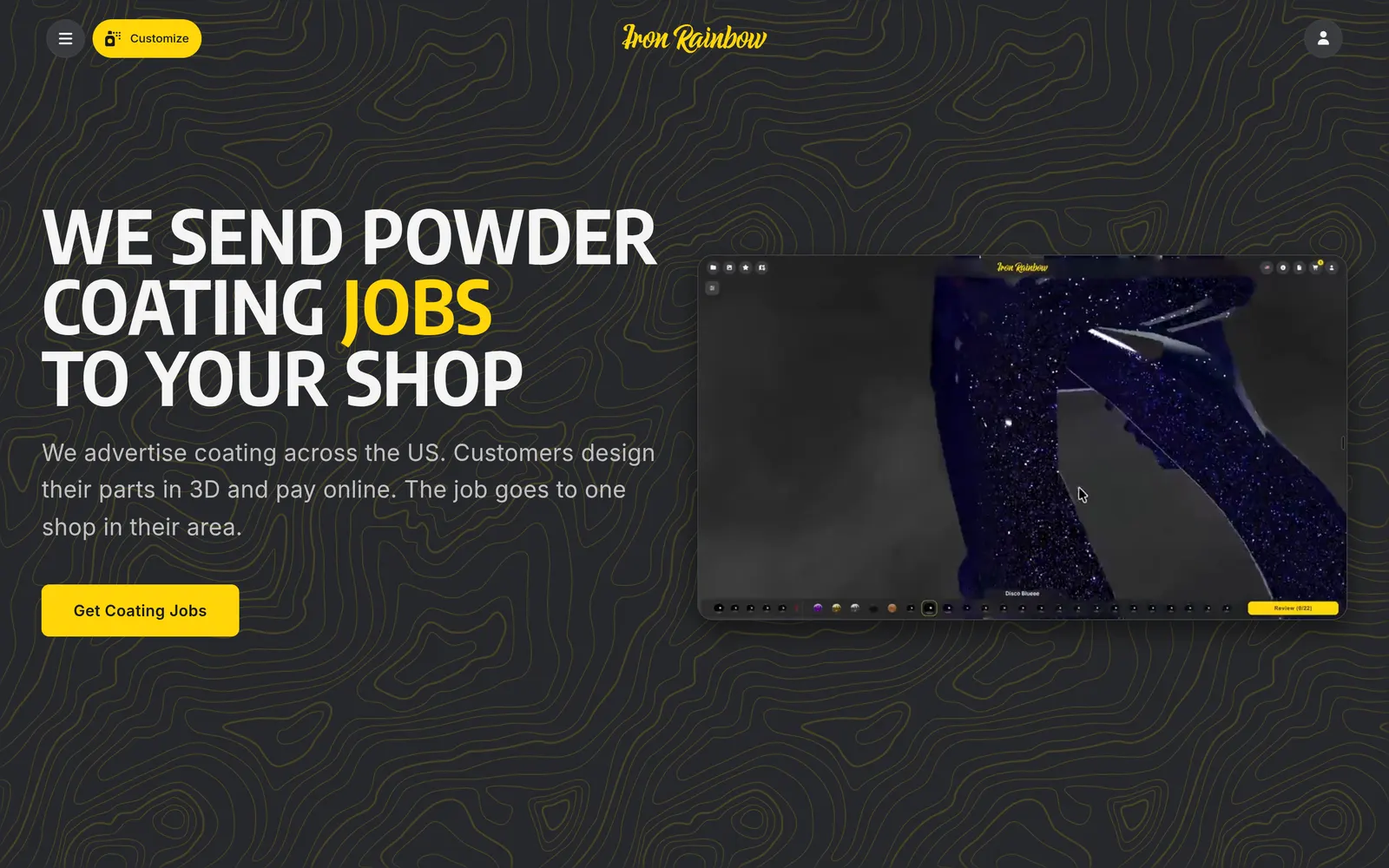
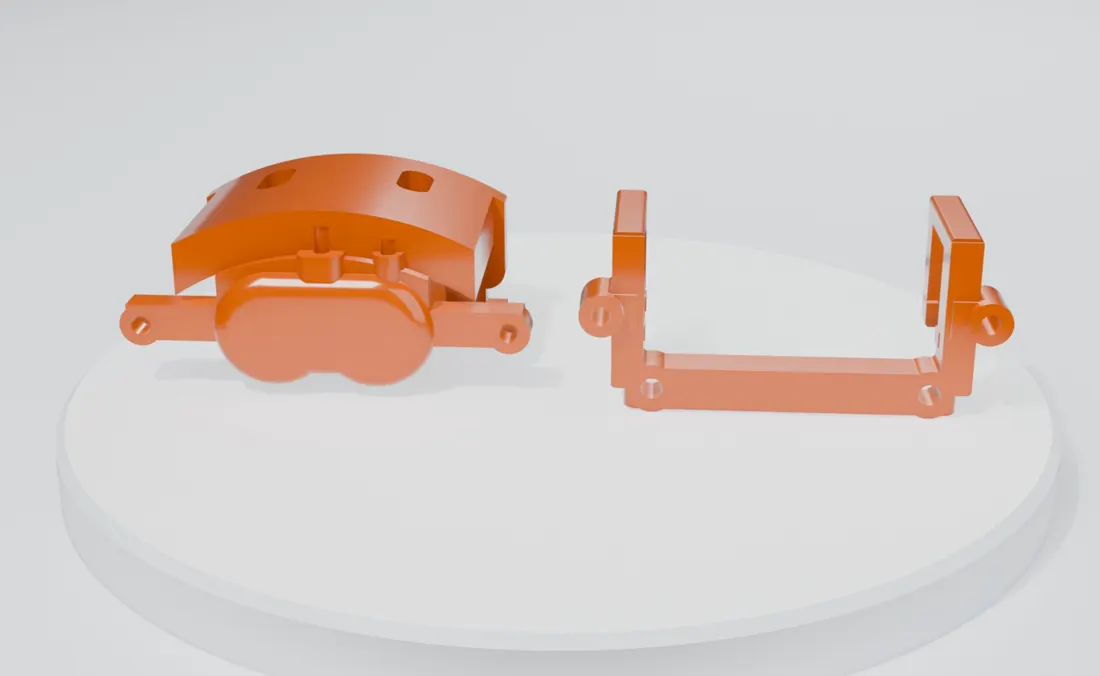
Iron Rainbow had a 3D Customizer where you can recolor every part of a dirt bike, and shop software that runs a coating business. The founder knew the first obstacle had nothing to do with the product. No coating shop and no customer had heard of the company.
The plan was video, lots of it: screen recordings of the Customizer and of Flex, cut for the long-form and short-form feeds on seven platforms. There were two developers and no one in marketing. Editing each video by hand, then making a vertical version, then writing captions and posting it everywhere, would have eaten the week.
Writing the job down first
Before any code, we wrote the marketing team down as if we were hiring it. There is a strategist and a scriptwriter, someone who turns one piece into many, a publisher and an analyst, each with a written procedure and a rulebook for every platform. AI agents fill those roles. They keep a library of opening hooks, each marked as a candidate, proven or retired depending on how it performed.
The week runs on a fixed rhythm. Early in the week the agents draft a slate of ideas and scripts, and the founder approves what gets made. On Wednesday he records everything on the shot list in one sitting, because recording is the one job nobody else can do. On Friday he approves what goes out. Between those points the agents cut the videos and schedule them.
Every piece of content is a record that moves from idea to scripted, recorded, edited, scheduled, published and measured. Nothing passes the slate, script or publish stage until a person signs it off.
One recording, many cuts
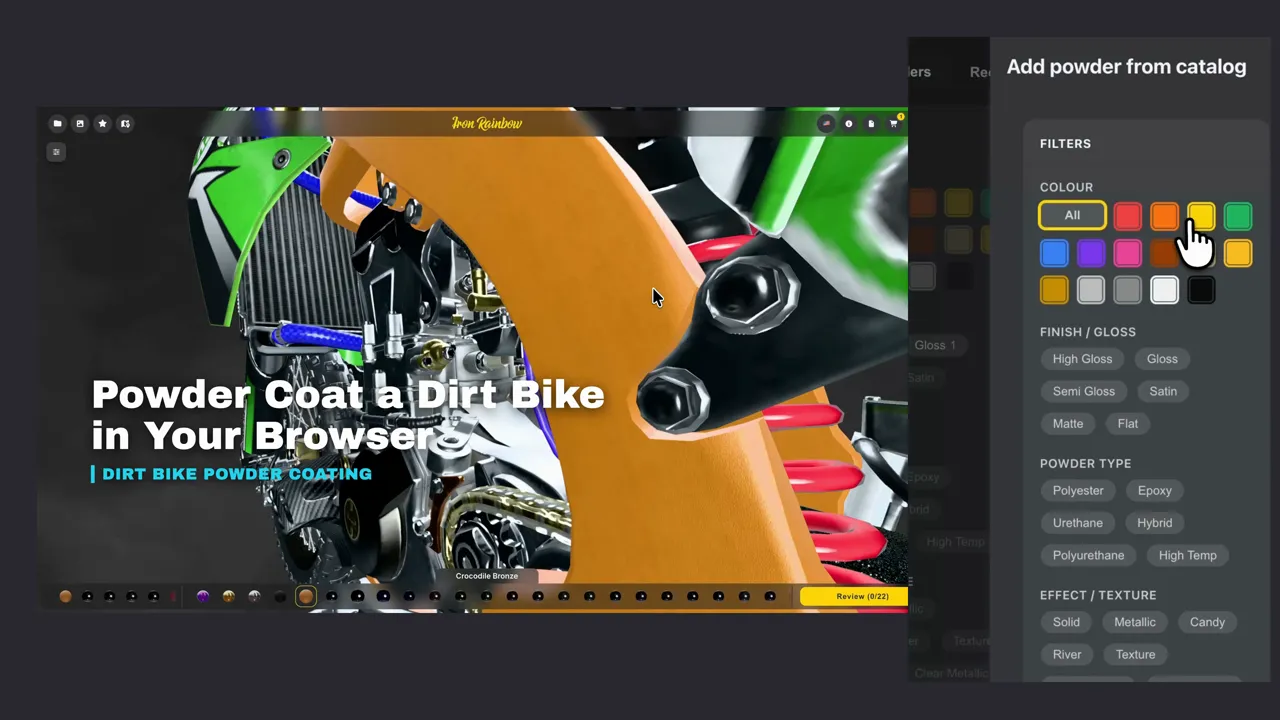
The video layer arrived in August 2026. We started with one pilot: a 43-second silent screen recording of a dirt bike in the Customizer, with its parts changing color as it turns. The finished master had an intro, a title card, captions burned into the picture, a brand strip and an end card.
The rule we set on day one was that the template never redraws the app. It only wraps footage of the product. A redrawn copy would look fine for a month and then drift away from the product itself with every release. The captions were written against what is on screen. The Customizer shows each color’s name at the bottom, so captions sit higher up and back up what the viewer is already reading. One caption we had planned covered the color panel as it opened, so we cut it and let the shot speak. Two others landed on the wrong shot and were moved.
Each video is described by a short recipe file: which recording, which titles, what the captions say and when, where the call to action goes. The same template turns a wide video into a vertical one for phones, and it zooms in wherever the recording shows a click, because the recording script keeps a log of every click. After the pilot, the template made six product videos, one for the Customizer and five for Flex, and none of them needed a change to the template itself.
Keeping the recipe, throwing away the render
One decision sounds odd at first. We don’t keep the finished videos. A 4K master is large, and it can be rebuilt exactly from the raw recording plus its recipe. We tested that: the pilot was rendered again an hour later and came out identical to the byte. So the recordings and recipes are what we store, and a render is something you make when you need it.
Two guard rails stop the template from producing junk. A render at the wrong resolution is deleted before it gets a file name, and a checker refuses captions that overlap. Titles, captions and calls to action all come from the recipe, so a translated cut or a new offer is a change to text.
We changed our minds once. The template can reframe old wide footage into a vertical cut, and it still does. For new videos, the founder shoots in vertical from the start, because it looks better on a phone.
Publishing is wired to the seven platforms, with tracked short links so we can see which post sent people to the site, and a poller that brings in new comments. For the agents’ drafting, a model running on our own machines handles the high-volume work and a larger hosted model writes the scripts and final polish.
One recording day a week
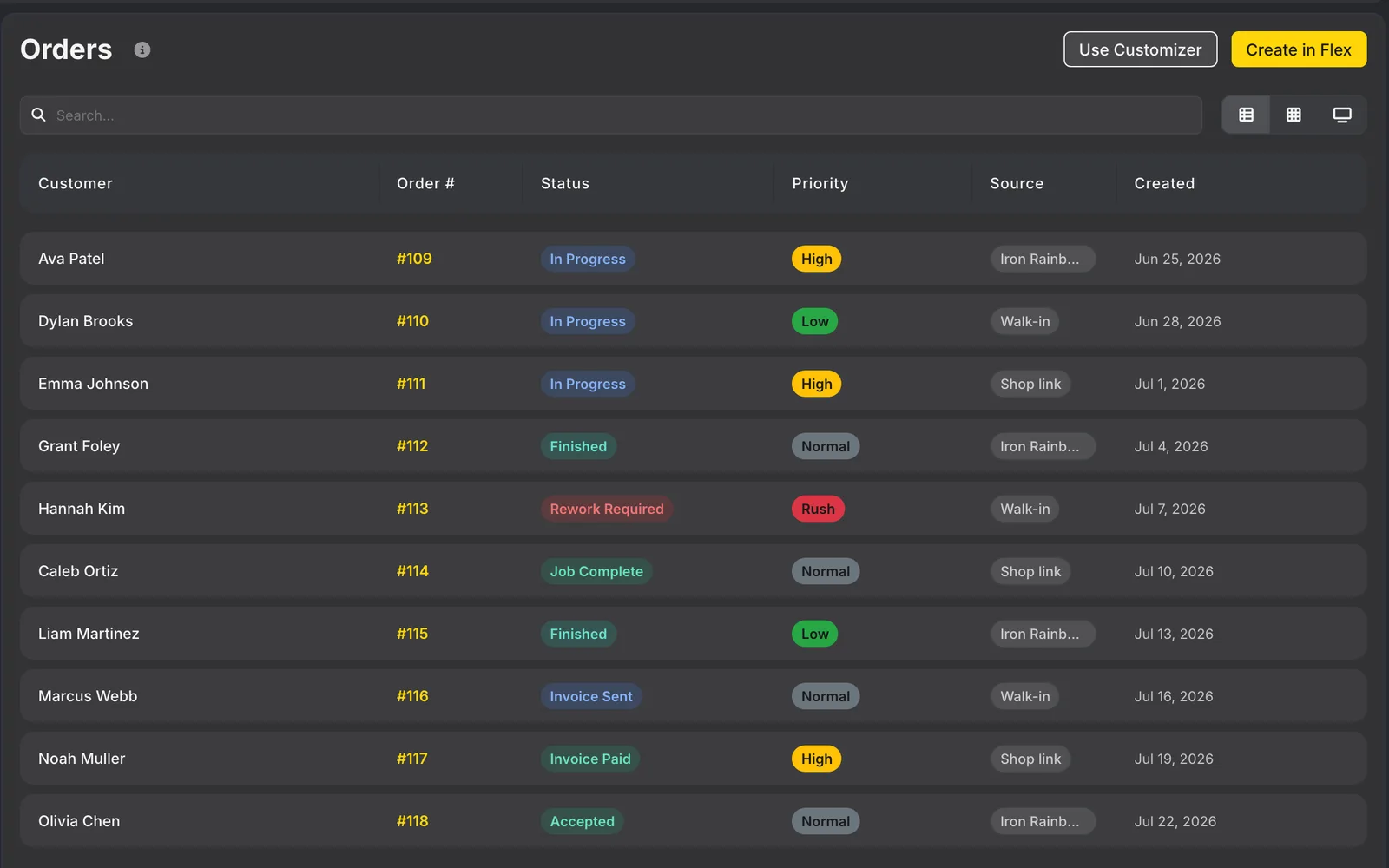
The founder records once a week and approves at three points, and everything else is prepared for him. Each content item is tracked in one store, and the first videos have been scheduled and published. It is early. What limits the volume now is how much time he has to record, and the tooling has room for far more.
Keep reading